Story – Less Screen Time.
More Imagination.
Why We Created Kinder-Box
As parents living in Switzerland, we were looking for a simple audio device
that our children could use independently.
Most children’s devices today are filled with apps, advertisements, videos,
notifications and distractions.
We wanted something different.
A safe audio experience focused on stories, imagination and language learning.
So we started writing our own bedtime stories and children’s adventures.
At first, these stories were only for our own children.
Later, we began producing multilingual versions of our stories using modern voice technology, allowing children to enjoy the same stories in multiple languages.
What started as a small family project slowly evolved into Kinder-Box.
The Problem
Children today spend more time than ever in front of screens.
Many devices designed for children include:
Advertisements
Endless scrolling
Video distractions
Complicated menus
Social media integrations
We wanted a simpler solution.
The Solution
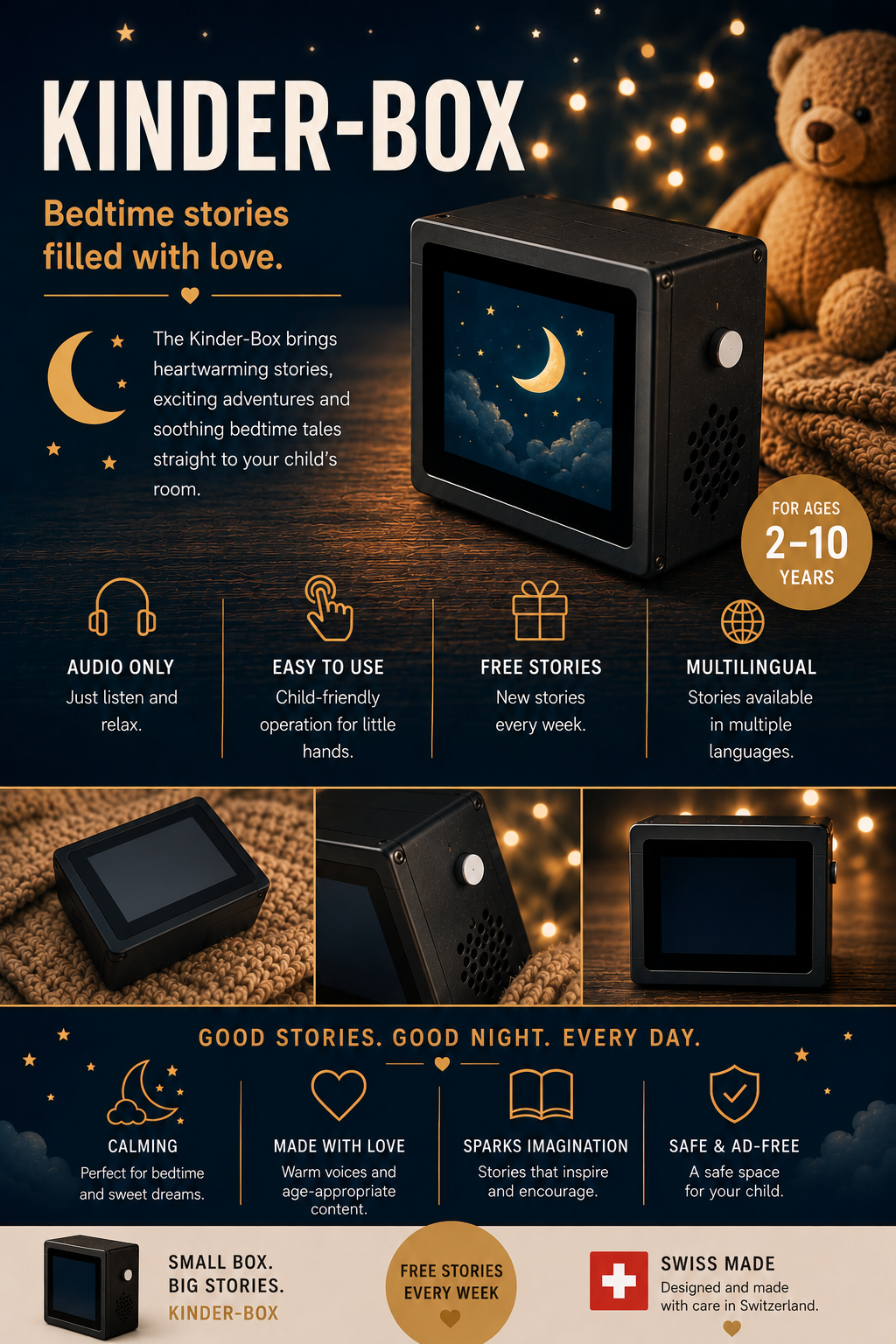
Kinder-Box is a multilingual touchscreen audio box designed specifically for children.
Children can:
Select stories themselves
Change languages
Listen independently
Explore new adventures safely
No ads.
No internet browsing.
No social media.
Designed for children. Simple for parents.
From Idea To Prototype
We believe transparency is important.
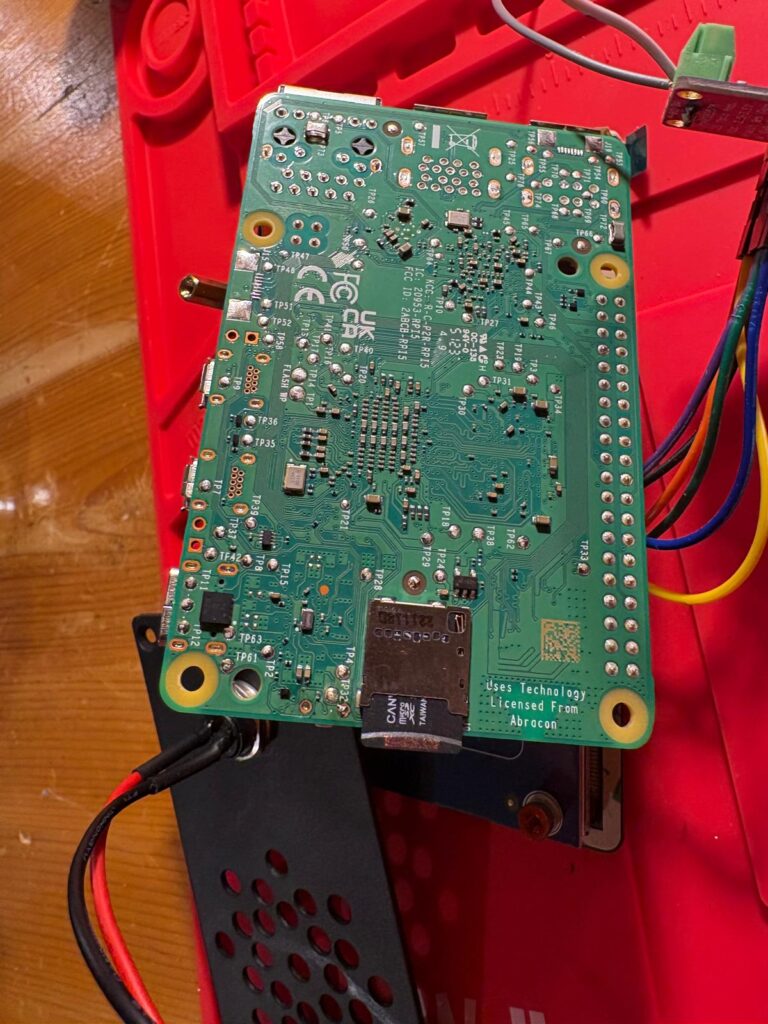
Below you can see the evolution of Kinder-Box from the first prototype to the current working device.
Early Hardware Development
The first version of Kinder-Box was built using a Raspberry Pi based platform.
Our initial goal was simple:
Can young children independently navigate stories using only a touchscreen?
After multiple tests and iterations we successfully created our first working prototype.
During development we experimented with:
- Different hardware platforms
- Touchscreen integrations
- Audio systems
- Speaker configurations
- Power management
- Software architecture
Each iteration brought us closer to the product we envisioned.
User Interface Development
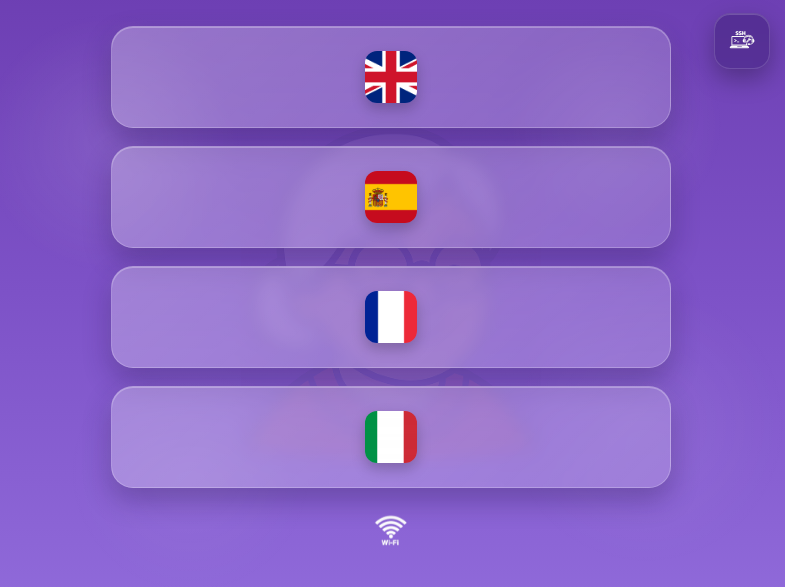
The software was designed specifically for young children.
We focused on:
- Large visual thumbnails
- Simple navigation
- Language selection
- Fast story playback
- Child-friendly interaction
Our objective was to make the interface intuitive enough that even very young children could use it independently.
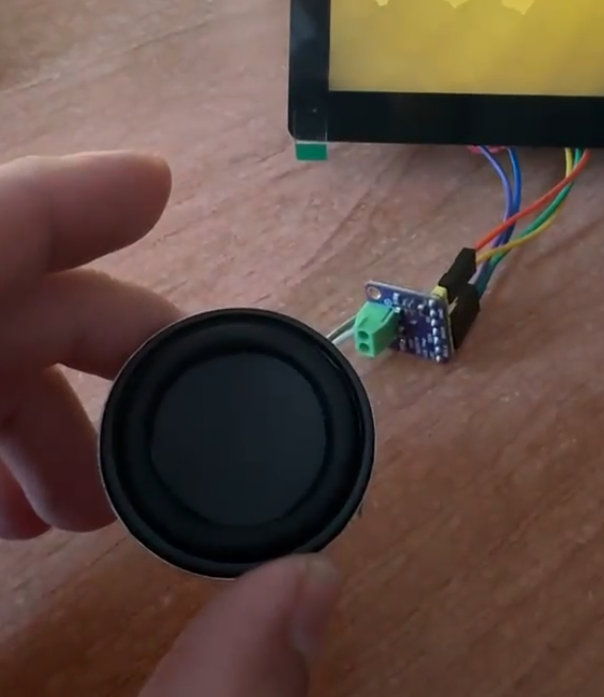
Audio System Development
Creating a simple but enjoyable listening experience was one of our main priorities.
During development we tested:
- Speaker placement
- Amplifier configurations
- Audio playback systems
- Story management software
- Volume optimizatio
These tests helped us create a compact device capable of delivering clear audio for children’s stories and adventures.
Enclosure Development
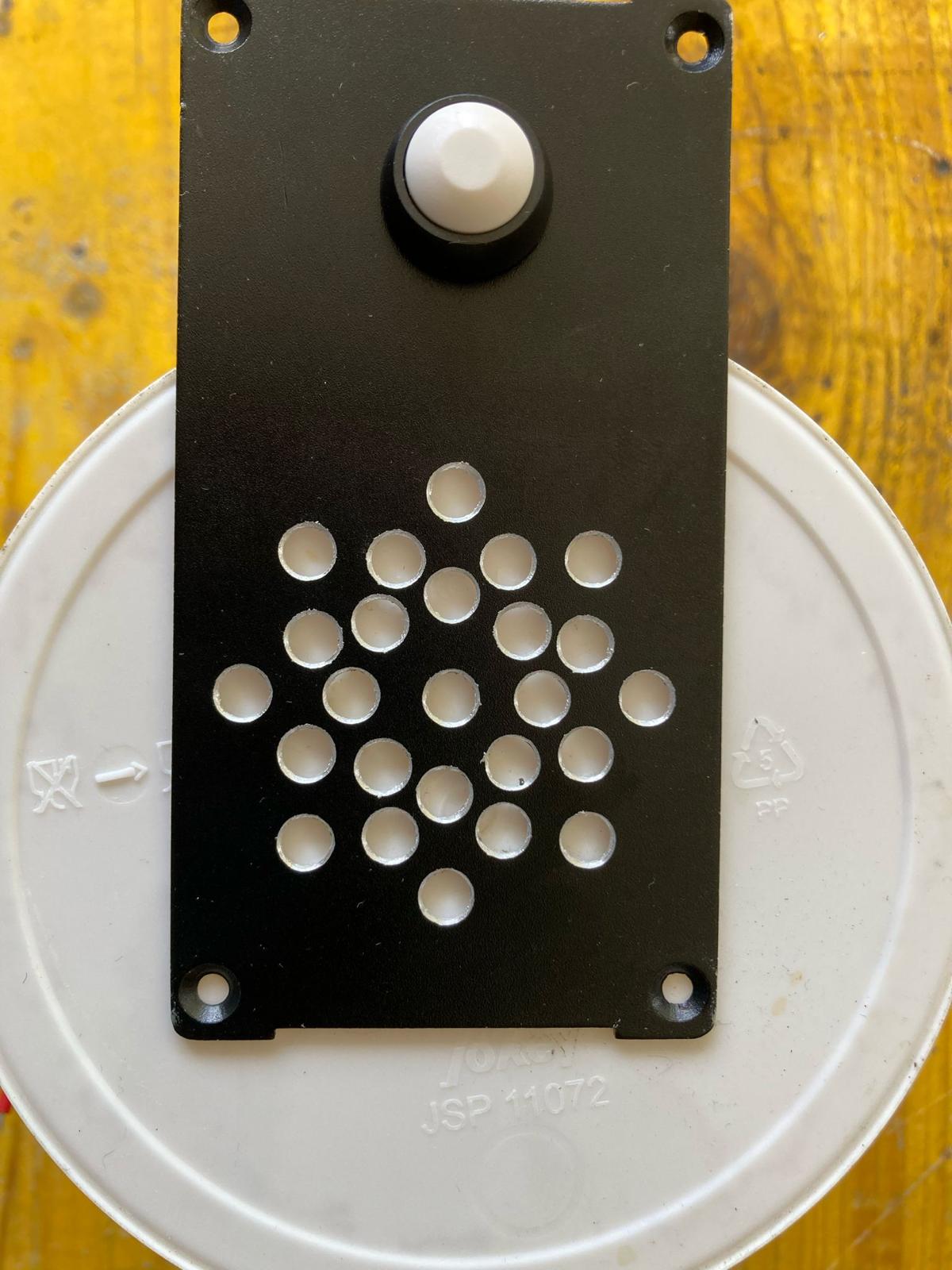
The enclosure evolved through multiple design iterations.
We experimented with:
- Different layouts
- Screen positioning
- Speaker placement
- Internal component arrangements
- Child-friendly usability
Each prototype taught us something new and helped improve the overall design.